Address
Plaza de Armas
Cusco
Cusco Province
Cusco Region
Peru
Cusco, Peru: Where History, Culture, and Nature Align for Transformation
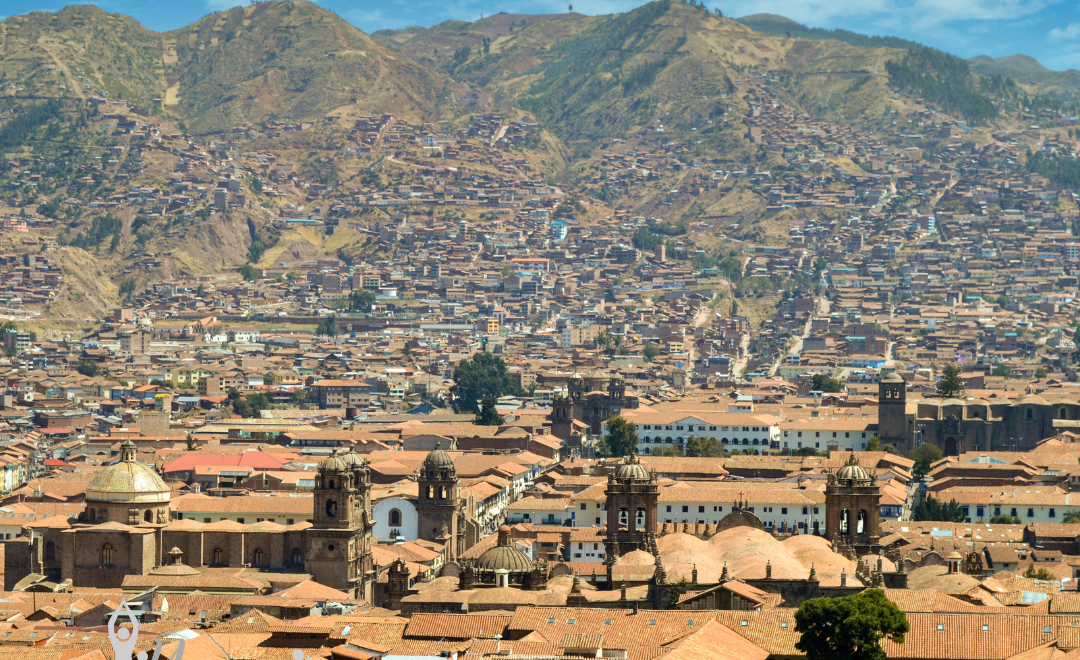
Nestled high in the breathtaking Peruvian Andes lies Cusco, a city pulsating with history, vibrant culture, and a profound connection to the environment. This is not just any destination; it’s a place where the whispers of the Inca Empire mingle with the vibrant traditions of the Q’ero people, and where the majestic peaks cradle a gateway to the untamed beauty of the Amazon rainforest.
This unique confluence is precisely why iyogaa.org chooses Cusco as the backdrop for its retreats. Here, amidst ancient ruins and breathtaking landscapes, you embark on a transformative journey.
A Legacy of the Incas: Cusco was the heart of the vast Inca Empire, a civilization renowned for its engineering marvels, sophisticated social order, and deep reverence for nature. Explore the city’s very foundations, where Inca stonework seamlessly blends with colonial architecture. Witness the awe-inspiring Sacsayhuamán fortress, a testament to Inca ingenuity, and ponder the mysteries of Machu Picchu, the “Lost City of the Incas,” accessible through Cusco.
A Cradle of Civilization: Cusco boasts the title of the oldest continuously inhabited city in South America. The pulse of the mighty Inca Empire throbbed here for centuries, leaving behind a legacy of awe-inspiring architecture like Sacsayhuamán and Qorikancha. Walking these ancient streets is to step back in time, to feel the echo of emperors and the heartbeat of a powerful civilization.
A Flourishing Culture: The spirit of the Incas blends seamlessly with the arrival of the Spanish, creating a unique cultural tapestry. Indigenous languages like Quechua still grace the markets, while dazzling colonial churches stand as testaments to a bygone era. Cusco’s soul is further enriched by its vibrant festivals, colorful textiles, and a thriving community of artisans keeping ancient crafts alive.
The Enduring Spirit of the Q’ero: Descendants of the Incas, the Q’ero people still uphold their ancestral traditions, living in harmony with the land. Their reverence for the Pachamama (Mother Earth) and their deep connection to the cosmos resonate in their daily lives and ceremonies. On a retreat, you might have the opportunity to interact with the Q’ero, gaining a deeper understanding of their connection to nature and spirituality.
iyogaa.org’s Cusco retreats offer a unique opportunity to integrate these profound historical, cultural, and environmental experiences with your yoga practice. Here, amidst the whispers of ancient civilizations and the embrace of nature’s wonders, you can embark on a journey of self-discovery unlike any other.
A Sanctuary in Nature: Nestled amidst the majestic Andes, Cusco is a gateway to breathtaking natural beauty. The crisp mountain air invigorates the body, while the sprawling landscapes – from the Sacred Valley to the Urubamba River – offer a sense of awe and peace. This powerful connection to nature is a cornerstone of Iyogaa retreats, allowing participants to deepen their practice and connect with the earth’s energy.
Beyond the Binary: iyogaa.org recognizes the inclusive spirit of Cusco. The Inca society held a more nuanced view of gender than traditional Western societies, and LGBTQ+ identities have a long history in Peru. This welcoming environment allows retreat participants of all backgrounds to feel safe and supported on their journeys of self-discovery.
Cusco, Peru, is a place where history speaks through ancient stones, culture bursts forth in vibrant color, and nature offers a profound sense of renewal. It’s this unique confluence that makes Cusco the perfect backdrop for Iyogaa’s transformative retreats, offering a chance to explore the depths of oneself amidst the whispers of the past and the embrace of the present
International and Internal Transport Routes to Cusco, Peru
International Routes:
- Air: Cusco’s Alejandro Velasco Astete International Airport (CUZ) receives international flights primarily from La Paz, Bolivia, and Santa Cruz de la Sierra, Bolivia.
- Land: While not a common entry point, it’s technically possible to enter Peru by land from neighboring countries and then travel to Cusco by bus or train.
Internal Routes:
- Air: Jorge Chávez International Airport (LIM) in Lima is the main international gateway to Peru. From Lima, numerous domestic flights connect to Cusco Airport.
- Land:
- Bus: Several bus companies offer comfortable overnight services from Lima to Cusco, providing scenic views of the Andes Mountains.
- Train: While not directly to Cusco, trains operate from Puno (on Lake Titicaca) to Ollantaytambo, a town near Cusco. From Ollantaytambo, you can take a short taxi or bus ride to Cusco.
Visa Restrictions:
- Visa-Free Entry: Citizens of many countries, including the United States, Canada, most European Union countries, and Australia, can enter Peru for tourism purposes without a visa for up to 183 days.
- Visa Requirements: Check the latest travel advisories and visa requirements for your specific nationality on the official website of the Peruvian government or consult your nearest Peruvian embassy or consulate.
Note: Always confirm the latest travel advisories and entry requirements before planning your trip to Peru, as these can change.
Upcoming Events
<li>No events in this location</li>


