Best yoga poses for herniated disc beginners refer to carefully selected, low-strain postures that support spinal alignment and reduce nerve compression. These poses are commonly recommended in conservative treatment plans for disc herniation. Can controlled breathing further improve outcomes? Evidence-based practice shows that coordinated breathing enhances the effectiveness of therapeutic movement.
Key Takeaways
- Best yoga poses for herniated disc beginners focus on safety and spinal alignment
- Breathing techniques improve effectiveness and reduce strain
- Avoid high-pressure movements like twisting and deep bends
- Structured routines support recovery
- Combining yoga with clinical guidance enhances outcomes
What are the best yoga poses for herniated disc beginners?
Best yoga poses for herniated disc beginners focus on spinal decompression and gentle strengthening.
Common beginner-safe poses include:
- Cat-Cow Stretch (Marjaryasana-Bitilasana): Improves spinal flexibility
- Child’s Pose (Balasana): Reduces lower back tension
- Cobra Pose (Bhujangasana): Encourages lumbar extension
- Pelvic Tilt: Stabilizes core muscles
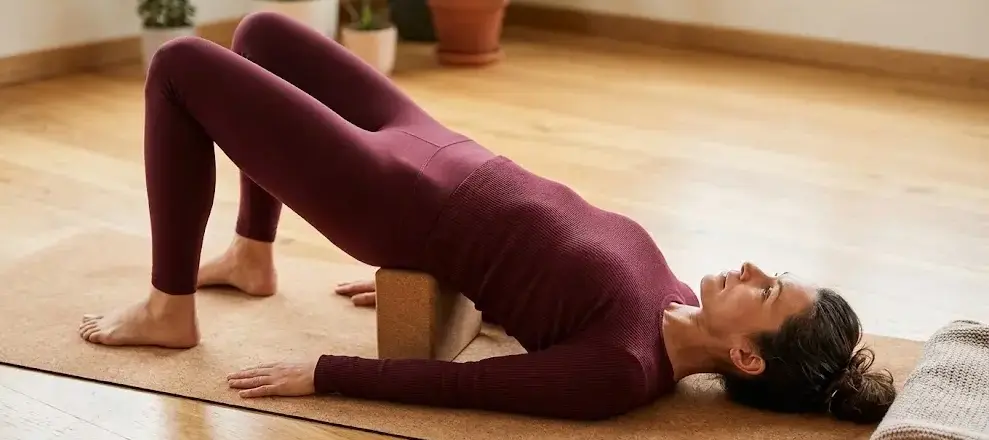
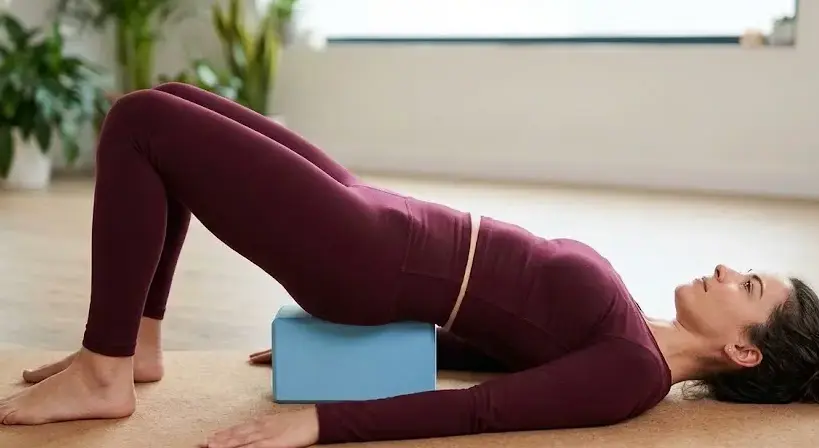
- Bridge Pose (Setu Bandhasana): Strengthens glutes and lower back
Clinical relevance: These poses are frequently included in rehabilitation programs for L4-L5 and L5-S1 disc conditions.
How do these yoga poses help a herniated disc?
Best yoga poses for herniated disc beginners help by addressing mechanical and muscular factors.
Key benefits:
- Spinal decompression: Reduces disc pressure
- Core stabilization: Supports vertebral alignment
- Improved circulation: Enhances tissue recovery
- Nerve relief: Minimizes irritation, especially in sciatica
Example: Cobra Pose supports extension-based therapy often prescribed for posterior disc herniation.
Which breathing techniques should beginners use with these poses?
Best yoga poses for herniated disc beginners are more effective when paired with controlled breathing techniques that regulate muscle tension and spinal load.
Recommended breathing methods:
- Diaphragmatic Breathing (Abdominal Breathing)
- raw air in deeply through the nose, expanding the belly area
- Exhale in a slow, controlled manner through the mouth
- Helps minimize muscle guarding and stabilizes the spine
2. Coordinated Movement Breathing
- Inhale during spinal extension (e.g., Cobra Pose)
- Exhale during flexion or relaxation (e.g., Child’s Pose)
- Maintains rhythm and prevents strain
3. Slow Controlled Breathing (4–6 pattern)
- Inhale for 4 seconds, exhale for 6 seconds
- Promotes relaxation and reduces pain perception
Clinical insight: Breathing techniques are integrated into physiotherapy protocols to improve neuromuscular control and reduce stress on the lumbar spine.
Which yoga poses should beginners avoid with a herniated disc?
Best yoga poses for herniated disc beginners exclude movements that increase spinal strain.
Avoid:
- Deep forward bends
- Twisting poses
- High-impact transitions
- Intense backbends
Reason: These movements increase intradiscal pressure and may worsen nerve compression.
How should beginners safely practice yoga with a herniated disc?
Best yoga poses for herniated disc beginners must be performed with controlled technique and breathing coordination.
Safety guidelines:
- Start with short sessions (5–10 minutes)
- Maintain neutral spine alignment
- Synchronize movement with breathing
- Avoid sharp or radiating pain
- Use props for support
Industry practice: Combining yoga with physiotherapy and guided breathing improves rehabilitation outcomes.
What is the recommended routine structure for beginners?
To maximize benefits, best yoga poses for herniated disc beginners should follow a clear and balanced practice structure.
| Phase | Duration | Example Activities |
| Warm-up | 3–5 min | Diaphragmatic breathing, pelvic tilts |
| Mobility | 5–10 min | Cat-Cow with breath coordination |
| Strength | 5–10 min | Bridge Pose with controlled breathing |
| Relaxation | 3–5 min | Deep breathing in supine position |
Are there variations for specific disc conditions like L4-L5 or sciatica?
Best yoga poses for herniated disc beginners can be adapted based on condition type.
Examples:
- L4-L5 or L5-S1: Emphasize extension-based poses
- Sciatica: Include gentle nerve-relief movements
- Neck disc issues: Focus on posture and avoid strain
Related interest: Readers often explore yoga for herniated disc and sciatica, slipped disc lower back routines, and guided beginner yoga sessions.
Conclusion
Best yoga poses for herniated disc beginners, combined with structured breathing techniques, provide a safe and effective framework for spinal recovery. Consistency, correct form, and breath coordination are essential for long-term results. For ongoing support, incorporating a morning yoga routine for lower back pain relief can help maintain spinal health and prevent recurrence.
FAQ
What yoga poses are good for herniated discs?
Cat-Cow, Child’s Pose, Cobra Pose, and Bridge Pose are effective for reducing pressure and improving support.
What is the fastest way to heal L4 L5?
A combination of physiotherapy, controlled exercise, and proper posture management supports faster recovery.
Should I avoid yoga if I have lower back pain?
No, but only low-impact, guided poses with proper breathing should be practiced.
Can it take 2 years for a herniated disc to heal?
Yes, healing time varies and may take months to years depending on severity and treatment.
Sources
https://www.moregooddays.com/post/yoga-for-herniated-disc
https://www.anytimefitness.co.in/top-7-yoga-poses-to-relieve-back-pain-naturally/
https://manflowyoga.com/blog/5-best-yoga-exercises-for-herniated-disc-relief-beginner-friendly/
https://backintelligence.com/herniated-disc-exercises/
https://www.floridaboneandjoint.com/blog/2023/yoga-poses-to-help-manage-disk-herniation.html
https://www.avnarogya.in/blog/slipped-disc/treating-slipped-disc-with-yoga
https://spinehealth.org/article/yoga-poses-for-lower-back-pain/
https://www.ekattvayogshala.com/mind-catalogue/yoga-for-slipped-disc-lower-back