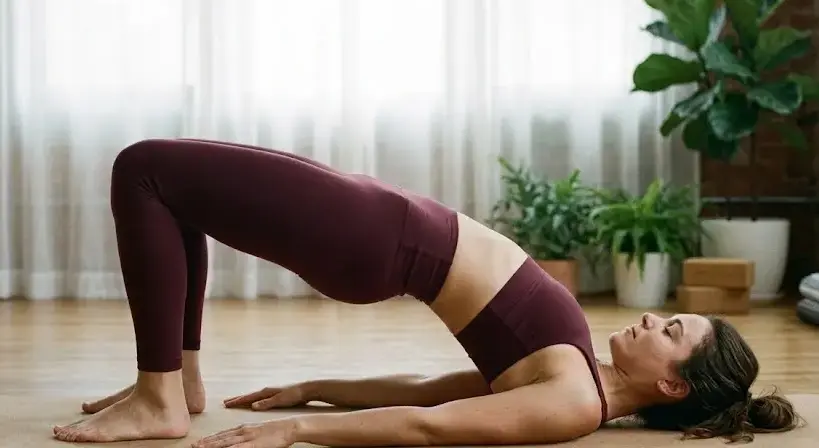
Yoga vs physiotherapy for back pain recovery refers to the comparison between a holistic movement-based practice and a clinically guided rehabilitation approach for reducing pain and restoring function. Both methods target musculoskeletal health, but differ in execution, supervision, and therapeutic scope. Which method provides better recovery outcomes depends on the condition, severity, and patient compliance.
Key Takeaways
- Yoga vs physiotherapy for back pain recovery serves different clinical purposes
- Physiotherapy is essential for acute and structural conditions
- Yoga supports long-term pain management and flexibility
- Breathing techniques play a significant role in pain reduction
- A combined approach delivers optimal recovery outcomes
What is yoga vs physiotherapy for back pain recovery in clinical terms?
Yoga vs physiotherapy for back pain recovery involves two distinct therapeutic frameworks:
| Aspect | Yoga | Physiotherapy |
| Approach | Mind-body practice | Clinical rehabilitation |
| Supervision | Instructor-led or self-guided | Licensed physiotherapist |
| Focus | Flexibility, breathing, relaxation | Strength, mobility, injury correction |
| Use case | Chronic pain, stress-related tension | Acute injury, post-surgery rehab |
Clinical classification:
- Yoga: Complementary therapy
- Physiotherapy: Primary medical intervention
How effective is yoga vs physiotherapy for back pain recovery based on research?
Yoga vs physiotherapy for back pain recovery shows comparable outcomes in multiple studies:
- A randomized trial (BMJ, 2017) found yoga equally effective as physiotherapy for chronic low back pain.
- Key measurable outcomes:
- Pain reduction (VAS scale)
- Functional improvement (ODI score)
- Reduced medication use
Evidence-based insights:
- Yoga improves long-term adherence due to accessibility.
- Physiotherapy provides faster targeted recovery in acute cases.
When should you choose yoga vs physiotherapy for back pain recovery?
Yoga vs physiotherapy for back pain recovery depends on diagnosis and severity:
Choose Yoga if:
- Chronic non-specific low back pain
- Stress-related muscle tightness
- Need for long-term maintenance
Choose Physiotherapy if:
- Herniated disc or nerve compression
- Post-injury rehabilitation
- Limited mobility or severe pain
Hybrid approach (recommended in practice):
- Begin with physiotherapy for stabilization
- Transition to yoga for maintenance
What exercises are used in yoga vs physiotherapy for back pain recovery?
Yoga vs physiotherapy for back pain recovery differs significantly in exercise selection:
Yoga Practices:
- Cat-Cow stretch
- Child’s Pose
- Cobra Pose
- Breathing techniques (Pranayama):
- Diaphragmatic breathing
- Alternate nostril breathing
Physiotherapy Exercises:
- McKenzie extensions
- Core stabilization drills
- Pelvic tilts
- Manual therapy techniques
Key difference:
Yoga integrates breathing with movement, while physiotherapy isolates muscle groups for targeted rehabilitation.
Are breathing techniques important in yoga vs physiotherapy for back pain recovery?
Yoga vs physiotherapy for back pain recovery highlights breathing as a differentiating factor:
Yoga breathing techniques:
- Improve oxygenation
- Reduce muscle tension
- Lower pain perception via nervous system regulation
Physiotherapy perspective:
- Breathing is secondary but used in:
- Core activation
- Postural correction
Clinical insight:
Controlled breathing improves spinal stability and reduces chronic pain intensity.
What are the risks in yoga vs physiotherapy for back pain recovery?
Yoga vs physiotherapy for back pain recovery carries different risk profiles:
Yoga risks:
- Incorrect posture execution
- Overstretching
- Lack of supervision
Physiotherapy risks:
- Minimal when supervised
- Possible discomfort during therapy
Industry practice:
- Physiotherapy follows standardized treatment protocols
- Yoga requires certified instructors for therapeutic safety
A related consideration often explored alongside this topic includes sciatica exercises, core strengthening routines, and posture correction methods.
Conclusion
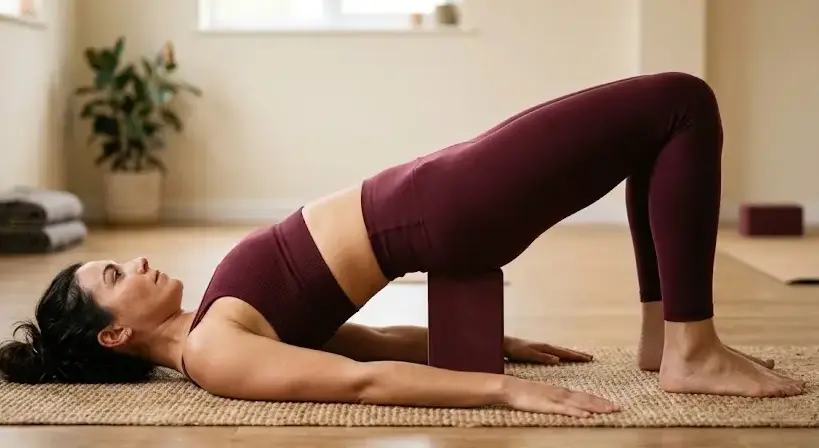
Yoga vs physiotherapy for back pain recovery is best understood as a complementary relationship rather than a strict choice. Physiotherapy provides structured, diagnosis-based treatment, while yoga supports long-term flexibility and pain management. For deeper guidance on specific poses, see Is cobra pose safe for slipped disc patients to ensure safe integration into recovery plans.
FAQs
Can I do yoga with a herniated disc?
Yes, but only under guidance and with modified poses to avoid spinal strain.
What are the big 3 exercises for lower back pain?
McKenzie extension, pelvic tilts, and core stabilization exercises are commonly recommended.
Is yoga better than physiotherapy?
Neither is universally better; effectiveness depends on the condition and treatment stage.
How long does it take for yoga to help back pain?
Most individuals see improvement within 6–12 weeks with consistent practice.
Can yoga replace physiotherapy?
No, yoga complements but does not replace clinical rehabilitation in acute conditions.
Sources
https://pmc.ncbi.nlm.nih.gov/articles/PMC3944007/
https://journals.plos.org/plosone/article?id=10.1371/journal.pone.0238544
https://www.bu.edu/sph/news/articles/2017/yoga-as-effective-as-physical-therapy-to-reduce-back-pain/
https://painmedicsclinic.com/blog/yoga-vs-physiotherapy/
https://www.bmj.com/content/357/bmj.j2964
https://totalback.com/blog/yoga-vs-physical-therapy-chronic-low-back-pain/
https://time.com/4825261/back-pain-yoga-physical-therapy/
https://www.sciencedirect.com/science/article/abs/pii/S1744388118308193