The best type of yoga for lower back pain is a structured approach combining gentle postures, controlled breathing, and core stabilization to relieve lumbar strain. This method targets muscular imbalance, improves flexibility, and enhances spinal support. Incorporating proper breathing techniques further optimizes pain reduction and functional recovery.
Key Takeaways
- The best type of yoga for lower back pain includes gentle, alignment-based styles.
- Targeted poses improve flexibility and spinal support.
- Breathing techniques reduce tension and enhance effectiveness.
- Avoid high-intensity or poorly aligned movements.
- Consistent, guided practice ensures long-term relief.
What yoga style is most effective for lower back pain?
The best type of yoga for lower back pain includes slow, alignment-focused styles supported by breath control:
- Hatha Yoga: Foundational poses with controlled breathing.
- Iyengar Yoga: Precise alignment using props for spinal safety.
- Viniyoga: Individualized sequences coordinated with breath.
- Restorative Yoga: Deep relaxation with minimal strain.
Clinical insight: Structured programs combining posture and breathwork show measurable improvements in chronic lower back pain outcomes.
Which yoga poses are best for relieving lower back pain?
The ideal yoga for lower back discomfort centers on asanas that enhance spine stability.
| Pose | Benefit | Duration |
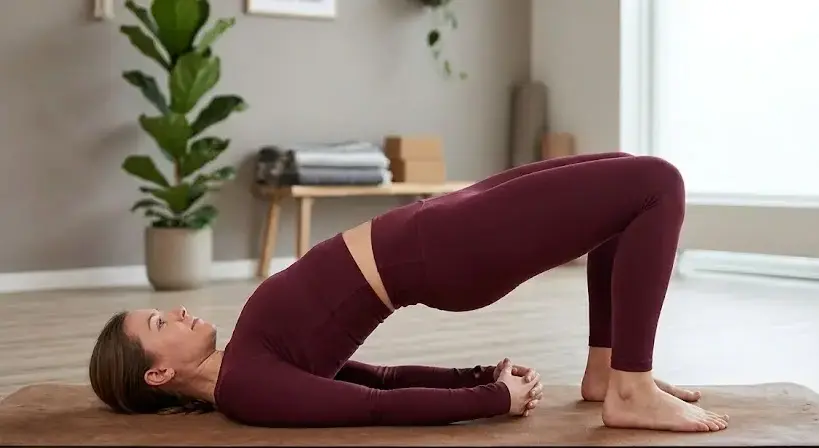
| Setu Bandhasana (Bridge Pose) | Strengthens lower back and glutes | 30–60 seconds |
| Adho Mukha Svanasana (Downward Dog) | Stretches hamstrings and spine | 30 seconds |
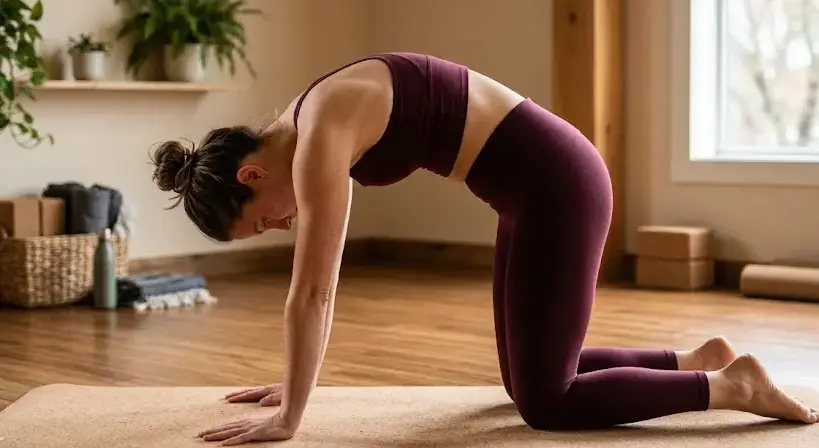
| Marjaryasana/Bitilasana (Cat-Cow) | Improves spinal mobility | 5–10 cycles |
| Supta Matsyendrasana (Supine Twist) | Releases lumbar tension | 30 seconds per side |
| Balasana (Child’s Pose) | Relaxes lower back muscles | 1 minute |
Note: People also search for yoga for lower back pain and hips, sciatica relief routines, and beginner-friendly sequences.
What breathing techniques help reduce lower back pain?
The best type of yoga for lower back pain incorporates breathing techniques to reduce muscle tension and improve oxygen flow:
1. Diaphragmatic Breathing (Abdominal Breathing)
- Inhale deeply through the nose, expanding the abdomen
- Exhale slowly, drawing the navel inward
- Reduces spinal load and relaxes core muscles
2. Ujjayi Breathing (Victorious Breath)
- Slow, controlled breathing with slight throat constriction
- Enhances focus and stabilizes posture
3. Equal Breathing (Sama Vritti)
- Inhale and exhale for equal counts (e.g., 4 seconds each)
- Promotes balance and reduces stress-related tension
Best practice: Synchronize each movement with inhalation or exhalation to maintain spinal control.
Can yoga worsen lower back pain?
Although therapeutic yoga helps relieve lower back pain, mistakes in technique may cause harm.
- Avoid deep forward bends without support
- Limit intense backbends in early stages
- Do not force range of motion
Standard guideline: Practice under supervision if experiencing chronic or severe pain.
How often should yoga be practiced for lower back pain?
Consistency is critical for results:
- Beginners: 15–20 minutes, 3–4 times weekly
- Intermediate: 30–45 minutes, 4–5 times weekly
- Maintenance: 2–3 sessions weekly
Clinical approach: Gradual progression reduces injury risk and supports sustainable recovery.
What precautions should be taken during yoga for lower back pain?
To ensure safe outcomes:
- Warm up before starting poses
- Use props for alignment support
- Avoid holding painful positions
- Maintain steady breathing throughout practice
How does yoga complement other treatments for lower back pain?
Effective lower back pain yoga is often accompanied by:
- Physical therapy programs
- Core-strengthening exercises
- Postural correction strategies
This combined approach improves mobility, reduces recurrence, and enhances overall spinal health.
Conclusion
The best type of yoga for lower back pain combines gentle postures, structured breathing techniques, and alignment-focused practices to deliver effective relief and long-term stability. Consistent application within safe limits enhances both flexibility and core strength. For broader context, see “is yoga good for lower back pain” to understand its overall therapeutic role.
FAQ
What are the big 3 exercises for lower back pain?
Pelvic tilts, bridge lifts, and bird-dog exercises improve core engagement and spinal support.
What are the 4 asanas for back pain?
Bridge Pose, Cat-Cow, Child’s Pose, and Supine Twist are commonly recommended.
What is the fastest way to cure lower back pain?
Relief is quickest when stretching, strengthening, and posture adjustments are combined, depending on condition severity.
Can breathing techniques really help lower back pain?
Yes, controlled breathing reduces muscle tension and supports spinal alignment during movement.
Is yoga effective for sciatica?
Yes, specific poses and breathing techniques can relieve nerve compression when practiced correctly.
Sources
https://spinehealth.org/article/yoga-poses-for-lower-back-pain/
https://www.healthline.com/health/fitness-exercise/yoga-for-back-pain
https://www.iodex.co.in/health-wellness-pain/exercise-diet/yoga-poses-for-backache/
https://aurawellnesscenter.com/2023/02/14/therapeutic-yoga-for-back-pain/
https://www.mayoclinic.org/healthy-lifestyle/adult-health/in-depth/back-pain/art-20546859
https://www.qispine.com/blog/yoga-asanas-for-lower-back-pain
https://www.yogajournal.com/poses/yoga-by-benefit/back-pain/yoga-lower-back-pain/