Is yoga good for lower back pain? Yoga is a structured physical practice combining stretching, strengthening, and breathing techniques to improve spinal health and reduce discomfort. Understanding which poses, sequences, and breathing methods are most effective is essential for safe and measurable pain relief. Can a consistent yoga routine improve mobility and decrease chronic pain risk?
Key Takeaways
- Yoga improves flexibility, core strength, and spinal alignment.
- Alignment-focused styles are safest for beginners.
- Avoid deep forward folds, intense backbends, and rapid twists.
- Short, daily sequences can provide measurable pain relief.
- Coordinated breathing enhances relaxation and reduces tension.
What Evidence Supports Yoga for Lower Back Pain?
Research indicates that yoga can significantly reduce lower back pain intensity and improve functional mobility. Key points include:
- Clinical Studies: A 2015 randomized trial published in PMC found yoga reduced chronic lower back pain compared to conventional exercise.
- Mechanism of Action: Yoga enhances spinal flexibility, strengthens core and gluteal muscles, and promotes relaxation through breath control.
- Pain Classification: Yoga is most effective for non-specific chronic lower back pain, not structural injuries like herniated discs without medical clearance.
What Type of Yoga is Best for Lower Back Pain?
The focus keyword “is yoga good for lower back pain” applies differently depending on style:
| Yoga Type | Benefits for Lower Back | Recommended Frequency |
| Hatha | Gentle stretching, alignment | 3–4 times/week |
| Iyengar | Prop-supported postures, precise alignment | 2–3 times/week |
| Viniyoga | Customized sequences with breath focus | 2–4 times/week |
Gentle, alignment-focused yoga styles with slower pacing and props are safest for beginners.
What Yoga Poses Should Beginners Practice?
Yoga for lower back pain beginners emphasizes controlled stretches and core engagement:
- Cat-Cow (Marjaryasana-Bitilasana): Improves spinal mobility.
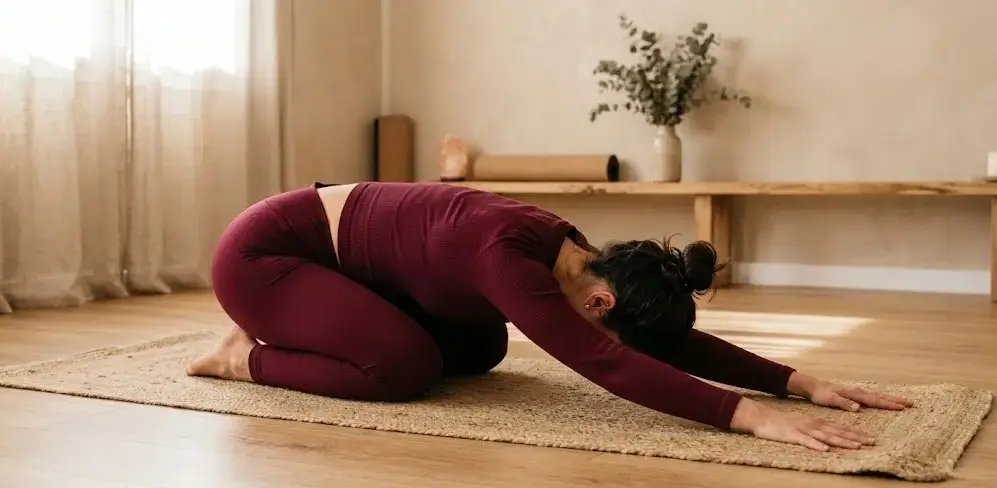
- Child’s Pose (Balasana): Relieves tension in lumbar muscles.
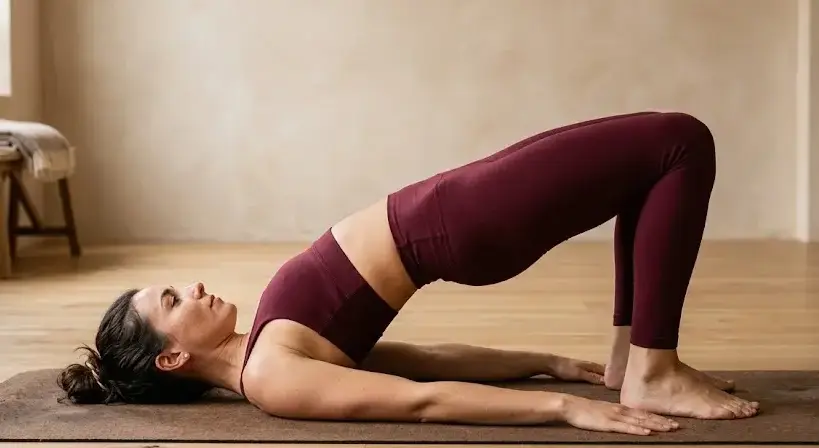
- Bridge Pose (Setu Bandhasana): Strengthens glutes and lower back.
- Supine Knee-to-Chest: Stretches lumbar spine and hips.
Breathing Technique: Coordinate with Ujjayi or deep diaphragmatic breathing to maximize relaxation and oxygenation during poses.
Which Yoga Poses to Avoid with Lower Back Pain?
Certain postures may exacerbate pain:
- Deep forward folds (e.g., full standing forward bend) with rounded spine
- Intense backbends without core support (e.g., full wheel)
- Twists with forceful rotation
- High-impact or rapid sequences
People also search for: yoga for lower back pain and sciatica, yoga for hips and lumbar relief.
Can Short Yoga Sessions Help Lower Back Pain?
Even a 5-minute daily routine can provide measurable benefits:
- Step 1: Start with gentle spinal stretches (Cat-Cow, Pelvic Tilts) – 1–2 min
- Step 2: Core engagement and mild backbends (Bridge, Sphinx) – 2–3 min
- Step 3: Relaxation with diaphragmatic breathing – 1 min
Consistency, even in short intervals, reduces stiffness and improves posture over time.
How Does Yoga Help with Sciatica and Hip Pain?
Yoga for lower back pain and sciatica targets nerve tension and hip flexibility:
- Pigeon Pose (Eka Pada Rajakapotasana): Opens hips and relieves sciatic nerve pressure
- Reclined Figure Four Stretch: Reduces piriformis tightness affecting the sciatic nerve
- Supported Bridge: Stabilizes lower back while stretching glutes and hamstrings
Conclusion
Yoga is a scientifically supported method to improve lower back mobility, relieve chronic pain, and strengthen core muscles. Safe practice emphasizes gentle sequences, controlled breathing, and avoidance of high-risk postures. For a structured approach, consider a lower back pain relief yoga sequence for guided relief and progressive improvement.
FAQ
What type of yoga is best for lower back pain?
Gentle, alignment-focused styles such as Hatha, Iyengar, and Viniyoga are most effective.
What yoga poses to avoid with lower back pain?
Avoid deep forward folds, intense backbends, forceful twists, and rapid, high-impact sequences.
What is the single best exercise for lower back pain?
Bridge Pose (Setu Bandhasana) strengthens the core and lower back while promoting spinal alignment.
Can yoga help sciatica pain?
Yes, poses that open the hips and stretch the piriformis muscle reduce sciatic nerve pressure.
How often should beginners practice yoga for lower back pain?
Two to four times per week, starting with gentle 10–20 minute sessions, is recommended.
Sources
https://www.health.harvard.edu/healthy-aging-and-longevity/the-safe-way-to-do-yoga-for-back-pain
https://www.healthline.com/health/fitness-exercise/yoga-for-back-pain
https://pmc.ncbi.nlm.nih.gov/articles/PMC4878447/
https://www.parashospitals.com/blogs/yoga-exercises-suited-for-lower-back-pain
https://www.brixtontherapycentre.com/post/yoga-it-s-not-always-good-for-your-back
https://www.drmaheshbagwe.com/blog/13-yoga-stretches-to-help-relieve-lower-back-pain/?bp=41182
https://www.yogamdniy.nic.in/files/pdf/BrouchureBackPain.pdf
https://www.polarishealthcare.in/post/yoga-poses-back-pain-relief