Yoga for back pain is a therapeutic approach that uses specific postures, controlled breathing techniques, and mindful movement to alleviate spinal discomfort and improve mobility. It targets muscle imbalances, poor posture, and stiffness, which are common contributors to back pain. Can consistent, low-impact movement combined with regulated breathing reduce chronic discomfort effectively? Evidence suggests it can when applied correctly.
Key Takeaways
- Yoga for back pain combines movement with controlled breathing
- Pranayama enhances pain reduction and muscle relaxation
- Coordinating breath with posture improves effectiveness
- Safe progression is essential for beginners
- Consistency leads to long-term spinal health benefits
What is yoga for back pain and how does it work?
Yoga for back pain works by improving spinal biomechanics, regulating breath patterns, and reducing muscular tension.
Key mechanisms include:
- Muscle strengthening: Supports the spine (core and lumbar muscles)
- Flexibility improvement: Reduces stiffness in hamstrings and hips
- Postural correction: Aligns spine and pelvis
- Breath regulation: Enhances oxygenation and reduces muscle guarding
- Stress reduction: Lowers pain perception via controlled breathing
Clinical insight: Structured yoga programs that integrate breath control (pranayama) show improved outcomes in chronic low back pain management.
Which yoga poses are most effective for back pain?
Yoga for back pain includes specific asanas combined with synchronized breathing to maximize spinal support and flexibility.
| Pose Name | Breathing Technique | Benefit |
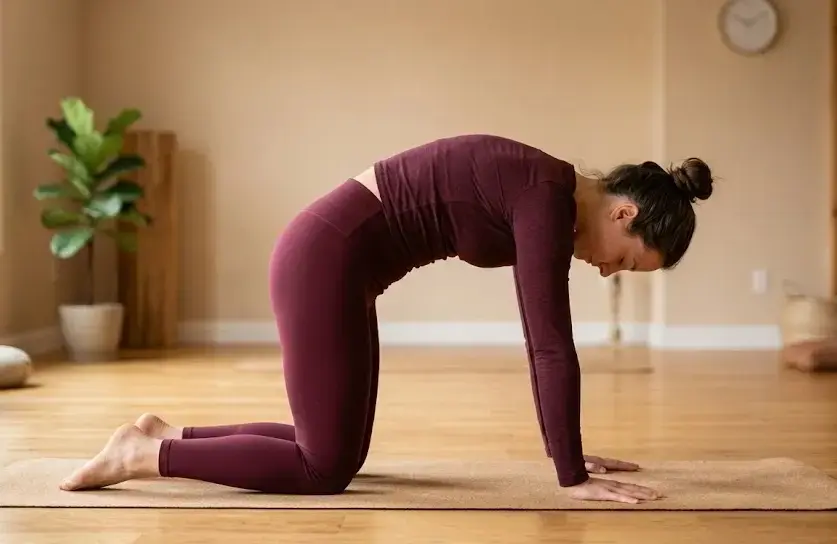
| Cat-Cow (Marjariasana) | Inhale (Cow), Exhale (Cat) | Improves spinal mobility |
| Child’s Pose (Balasana) | Slow nasal breathing | Relieves tension |
| Cobra Pose (Bhujangasana) | Inhale while lifting chest | Strengthens spine |
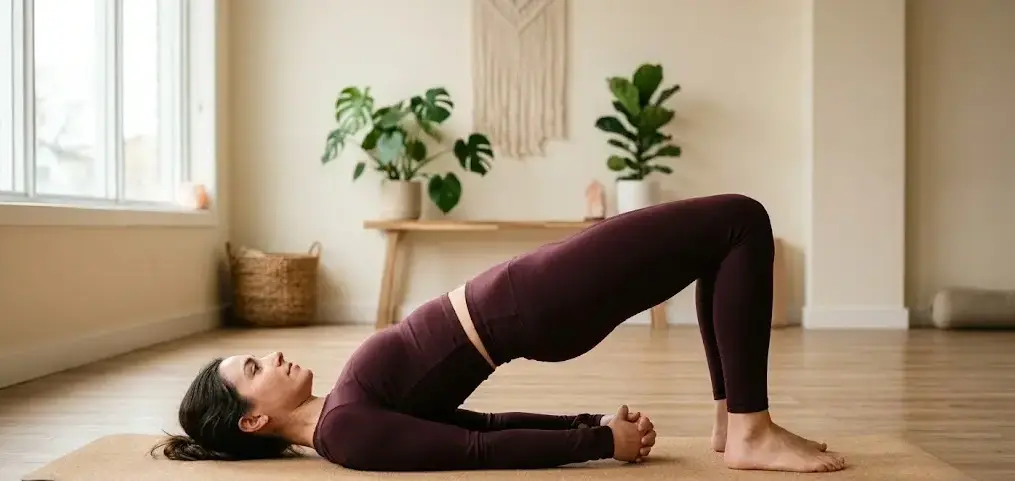
| Bridge Pose (Setu Bandhasana) | Exhale while lifting hips | Stabilizes lower back |
Best practice:
- Coordinate movement with breath
- Maintain slow, rhythmic nasal breathing
- Avoid holding breath during poses
How should beginners practice yoga for back pain safely?
Yoga for back pain beginners should combine gentle movement with controlled breathing for safe adaptation.
Step-by-step approach:
- Start with a 5–10 minute session
- Practice diaphragmatic breathing before movement
- Maintain a neutral spine alignment
- Synchronize each movement with inhale/exhale
- Gradually increase duration and intensity
Recommended breathing method:
- Inhale deeply through the nose, expanding the abdomen
- Exhale slowly to release muscular tension
Safety standards:
- Avoid breath holding (Valsalva effect)
- Stop if sharp pain occurs
Can yoga reduce chronic back pain according to research?
Yoga for back pain shows improved outcomes when breathing techniques are integrated with physical practice.
Research findings:
- Reduces pain intensity and stiffness
- Improves functional mobility
- Enhances relaxation response through breath control
Example: Clinical trials indicate that combining postures with slow breathing improves neuromuscular coordination and reduces chronic pain more effectively than movement alone.
What breathing techniques enhance yoga for back pain?
Yoga for back pain becomes more effective when supported by specific pranayama techniques.
Primary techniques:
- Diaphragmatic Breathing (Abdominal Breathing):
- Expands lungs fully
- Reduces spinal compression and tension
- Ujjayi Breathing (Victorious Breath):
- Creates controlled airflow through the throat
- Enhances focus and stability during poses
- Ratio Breathing (4:6 pattern):
- Inhale for 4 counts, exhale for 6
- Promotes relaxation and pain modulation
Application protocol:
- Use breathing as a lead mechanism, not secondary
- Maintain consistent rhythm for 5–10 cycles per pose
How often should yoga be practiced for back pain relief?
Yoga for back pain should integrate both posture and breathing consistency for optimal results.
Recommended frequency:
- Beginners: 3 sessions per week (10–15 minutes)
- Intermediate: 4–5 sessions per week (20–30 minutes)
Routine structure:
- 2–3 minutes breathing warm-up
- 10–20 minutes posture practice
- 2–5 minutes relaxation breathing
A short list often explored alongside this topic includes yoga for back pain beginners, 5-minute routines, guided classes, and visual pose references.
Conclusion
Yoga for back pain provides a structured, evidence-based method to improve spinal health through posture, controlled breathing, and neuromuscular coordination. Integrating pranayama enhances both physical and neurological recovery, making the practice more effective and sustainable. For targeted routines, combining this approach with yoga for lower back pain relief can further optimize long-term outcomes.
FAQ
Which is the best yoga for back pain?
Cat-Cow, Child’s Pose, Cobra Pose, and Bridge Pose combined with controlled breathing are most effective.
Can yoga solve back pain?
Yoga can significantly reduce and manage back pain, especially when combined with proper breathing techniques.
What are the 4 asanas for back pain?
Cat-Cow, Child’s Pose, Cobra Pose, and Bridge Pose are commonly recommended.
Is breathing important in yoga for back pain?
Yes, breathing improves muscle relaxation, oxygen flow, and pain control.
How long does yoga take to reduce back pain?
Consistent practice with breathing techniques may show improvement within 4–8 weeks.
Sources
https://www.healthline.com/health/fitness-exercise/yoga-for-back-pain
https://www.iodex.co.in/health-wellness-pain/exercise-diet/yoga-poses-for-backache/
https://www.youtube.com/playlist?list=PLui6Eyny-UzywNCo0zRu9dduvlNXzfDyk
https://www.drmaheshbagwe.com/blog/13-yoga-stretches-to-help-relieve-lower-back-pain/?bp=41182
https://www.youtube.com/watch?v=4mUyca7LKAw
https://pmc.ncbi.nlm.nih.gov/articles/PMC4878447/
https://www.polarishealthcare.in/post/yoga-poses-back-pain-relief
https://www.yogamdniy.nic.in/files/pdf/BrouchureBackPain.pdf