Yoga for lower back pain relief is a therapeutic approach that uses specific postures, breathing techniques, and controlled movements to reduce pain in the lumbar spine. It targets muscular imbalances, improves flexibility, and enhances core stability. Can a structured routine performed at home significantly reduce chronic discomfort? Evidence suggests it can when practiced consistently and correctly.
Key Takeaways
- Yoga for lower back pain relief improves flexibility, strength, and spinal alignment
- Controlled breathing enhances therapeutic effectiveness
- Beginner-friendly routines reduce risk and ensure consistency
- Regular practice delivers measurable improvements within weeks
- Suitable for conditions like sciatica with proper modifications
How is yoga used to ease lower back pain, and what is the mechanism behind it?
Yoga for lower back pain relief works by addressing biomechanical and neuromuscular factors that contribute to pain.
Mechanisms involved:
- Muscle relaxation: Reduces tension in the erector spinae and hip flexors
- Spinal alignment: Encourages neutral posture and load distribution
- Core activation: Strengthens stabilizing muscles like transverse abdominis
- Circulation improvement: Enhances oxygen delivery to tissues
Clinical relevance:
- Frequently recommended in physiotherapy protocols
- Supported by guidelines for non-invasive back pain management
Which yoga poses are most effective for lower back pain relief?
Yoga for lower back pain relief includes specific poses that target flexibility and strength.
Top evidence-based poses:
- Cat-Cow Stretch (Marjariasana-Bitilasana) – Improves spinal mobility
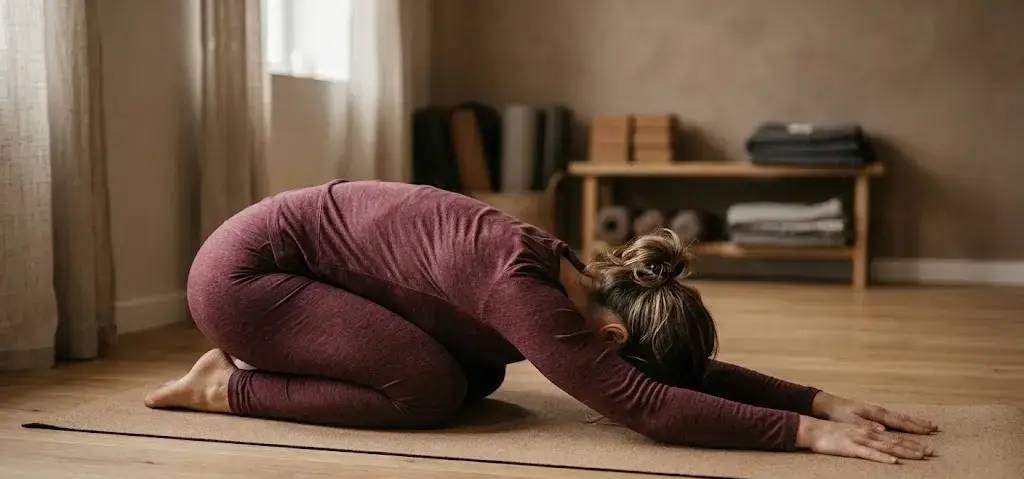
- Child’s Pose (Balasana) – Relieves lumbar compression
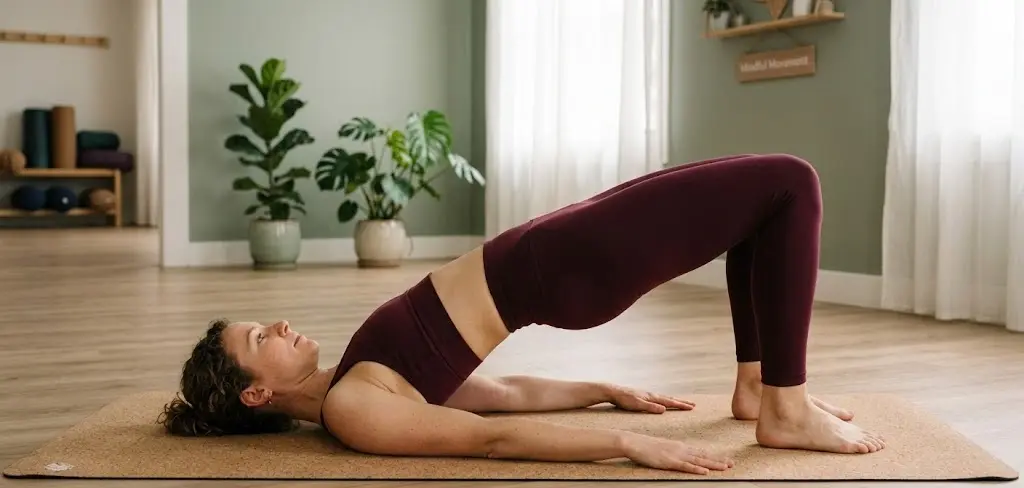
- Bridge Pose (Setu Bandhasana) – Strengthens glutes and lower back
- Knees-to-Chest (Apanasana) – Releases lower spine tension
Quick comparison:
| Pose | Primary Benefit | Duration |
| Cat-Cow | Mobility | 5–10 breaths |
| Child’s Pose | Relaxation | 30–60 sec |
| Bridge Pose | Strength | 10–15 sec hold |
How should beginners start yoga for lower back pain relief safely?
Yoga for lower back pain relief beginners should follow structured, low-intensity routines.
Safety guidelines:
- Start with 5-minute sessions and progress gradually
- Avoid deep forward bends initially
- Maintain neutral spine alignment
- Use props like cushions or blocks
Step-by-step approach:
- Warm-up with gentle stretches
- Perform 2–3 foundational poses
- End with relaxation (Shavasana)
What breathing techniques enhance yoga for lower back pain relief?
Yoga for lower back pain relief is significantly improved with controlled breathing techniques.
Recommended breathing methods:
- Diaphragmatic breathing: Expands abdomen to reduce spinal pressure
- Ujjayi breathing: Regulates airflow and improves focus
- Rhythmic nasal breathing: Maintains steady oxygen flow
Application in practice:
- Inhale during spinal extension
- Exhale during forward bending or relaxation
- Maintain slow, consistent breath cycles (5–10 per pose)
Can yoga help with lower back pain and sciatica?
Yoga for lower back pain relief is effective for conditions like sciatica when applied correctly.
Key benefits:
- Reduces nerve compression
- Improves hip flexibility
- Decreases inflammation around the sciatic nerve
Recommended poses:
- Pigeon Pose (hip opening)
- Supine Twist (spinal decompression)
- Hamstring stretches
This topic is often explored alongside beginner routines, short 5-minute sessions, and practices targeting hips and sciatica.
How often should yoga for lower back pain relief be practiced?
Yoga for lower back pain relief should be practiced consistently for measurable outcomes.
Recommended frequency:
- Beginners: 3–4 sessions per week
- Moderate pain: Daily light sessions (10–20 minutes)
- Maintenance: 4–5 times weekly
Expected timeline:
- Initial relief: 1–2 weeks
- Noticeable improvement: 4–6 weeks
Conclusion
Yoga for lower back pain relief provides a structured, evidence-based approach to managing lumbar discomfort through posture, movement, and breathing integration. Long-term consistency is essential for sustained benefits and injury prevention. For expanded routines and pose-specific guidance, refer to yoga poses for lower back pain to build a comprehensive practice framework.
FAQs
Which yoga is best for lower back pain?
Gentle styles like Hatha and Iyengar yoga are most effective due to controlled movements and alignment focus.
What are the big 3 for lower back pain?
The “big 3” generally include essential core exercises such as the modified curl-up, side plank, and bird-dog.
What is the fastest way to cure lower back pain?
There is no instant cure; combining gentle yoga, proper posture, and rest provides the fastest safe relief.
Can beginners do yoga for lower back pain?
Yes, beginners can start with low-impact poses and short sessions under proper guidance.
Is yoga safe for chronic lower back pain?
Yes, when performed correctly; consult a healthcare professional for severe or persistent conditions.
Sources
https://www.healthline.com/health/fitness-exercise/yoga-for-back-pain
https://www.drmaheshbagwe.com/blog/13-yoga-stretches-to-help-relieve-lower-back-pain/?bp=41182
https://www.mayoclinic.org/healthy-lifestyle/adult-health/in-depth/back-pain/art-20546859
https://www.iodex.co.in/health-wellness-pain/exercise-diet/yoga-poses-for-backache/
https://www.youtube.com/playlist?list=PLui6Eyny-UzywNCo0zRu9dduvlNXzfDyk
https://spinehealth.org/article/yoga-poses-for-lower-back-pain/
https://yogawithadriene.com/yoga-lower-back-pain/