Yoga poses to regulate periods and reduce PCOS pain refer to specific asanas and breathing techniques designed to improve endocrine function, pelvic circulation, and stress regulation. These practices are clinically associated with improved menstrual cycles and reduced pain intensity. Can structured movement and breath control influence hormonal stability? Evidence suggests they can when practiced consistently.
Key Takeaways
- Yoga supports hormonal balance and menstrual regulation in PCOS
- Specific poses target pelvic circulation and endocrine function
- Breathing techniques enhance stress reduction and effectiveness
- Consistency (8–12 weeks) is essential for visible results
- Safe practice requires cycle-based and condition-based adjustments
What are the most effective yoga poses to regulate periods and reduce PCOS pain?
Yoga poses to regulate periods and reduce PCOS pain focus on abdominal stimulation, pelvic relaxation, and endocrine activation.
Top 11 Effective Poses:
- Baddha Konasana (Butterfly Pose)
- Bhujangasana (Cobra Pose)
- Dhanurasana (Bow Pose)
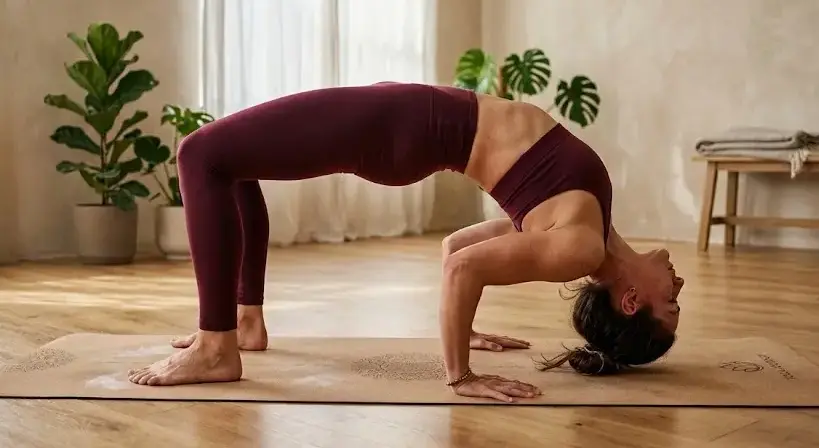
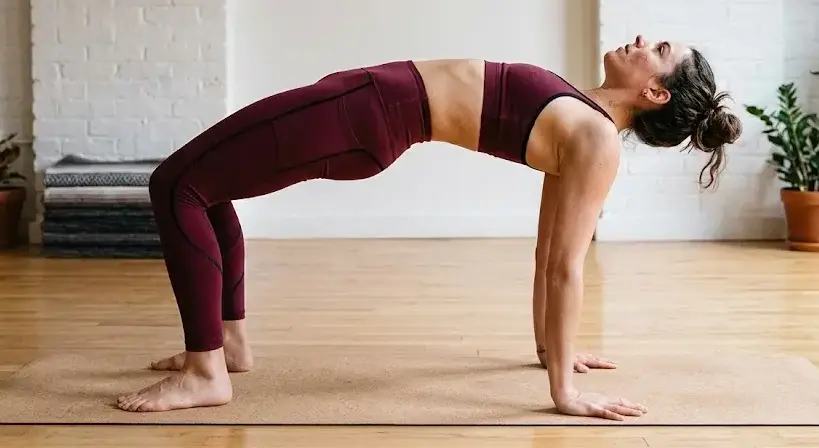
- Setu Bandhasana (Bridge Pose)
- Malasana (Garland Pose)
- Supta Baddha Konasana (Reclining Butterfly)
- Marjariasana (Cat-Cow Pose)
- Balasana (Child’s Pose)
- Paschimottanasana (Seated Forward Bend)
- Viparita Karani (Legs Up the Wall)
- Ustrasana (Camel Pose)
Clinical Insight:
These poses improve ovarian blood flow and regulate insulin sensitivity—two key factors in PCOS management.
How do yoga poses regulate menstrual cycles in PCOS?
Yoga poses to regulate periods and reduce PCOS pain support hormonal balance through nervous system regulation and endocrine stimulation.
Mechanisms:
- Reduces cortisol levels (stress hormone)
- Improves insulin resistance
- Enhances thyroid and ovarian function
| System Affected | Impact of Yoga |
| Endocrine | Hormonal stabilization |
| Reproductive | Improved ovulation |
| Nervous System | Reduced stress response |
Practice Standard:
Medical yoga protocols recommend 30–45 minutes daily for measurable cycle improvement within 8–12 weeks.
Which breathing techniques enhance yoga poses for PCOS relief?
Yoga poses to regulate periods and reduce PCOS pain are more effective when combined with controlled breathing techniques.
Recommended Pranayama:
- Anulom Vilom (Alternate Nostril Breathing): Balances hormones
- Bhramari (Humming Bee Breath): Reduces stress and anxiety
- Kapalbhati (Skull Shining Breath): Stimulates metabolism
- Deep Diaphragmatic Breathing: Improves oxygenation
Structured Practice:
- 5–10 minutes before yoga
- Maintain slow, rhythmic breathing during poses
- Avoid forceful breathing during menstruation
When should you practice yoga poses for maximum effectiveness?
Yoga poses to regulate periods and reduce PCOS pain are most effective when practiced at consistent times aligned with hormonal cycles.
Best Timing Guidelines:
- Morning (empty stomach): Hormonal activation
- Evening (light session): Stress reduction
- Avoid intense poses during heavy menstruation
Cycle-Based Adjustment:
- Follicular phase: Active poses
- Luteal phase: Restorative poses
Are there safety considerations for practicing yoga with PCOS?
Yoga poses to regulate periods and reduce PCOS pain must follow safety standards to avoid strain and hormonal disruption.
Precautions:
- Avoid high-intensity inversions during menstruation
- Modify poses for lower back or pelvic pain
- Consult healthcare professionals for severe PCOS cases
Clinical Recommendation:
Begin under supervision if experiencing chronic pelvic pain or irregular cycles exceeding 90 days.
What complementary practices improve results with yoga?
Yoga poses to regulate periods and reduce PCOS pain are more effective when combined with lifestyle adjustments.
Supportive Practices:
- Balanced low-glycemic diet
- Regular sleep cycles
- Stress management routines
A related area often explored includes yoga for hormonal imbalance in females, irregular period yoga routines, and fertility-focused yoga practices.
Conclusion
Yoga poses to regulate periods and reduce PCOS pain provide a structured, non-invasive approach to improving hormonal health and menstrual function. When combined with breathing techniques and consistent practice, they form a practical framework for long-term symptom management. For extended guidance, explore Yoga for PCOS hormonal balance treatment UK as part of a broader therapeutic strategy.
FAQ
Which yoga pose helps PCOS?
Baddha Konasana and Bhujangasana are widely recommended for improving ovarian function and reducing PCOS symptoms.
How to help painful periods with PCOS?
Practice gentle yoga poses like Child’s Pose and deep breathing techniques to reduce pelvic tension and pain.
How do Koreans treat PCOS?
Treatment often combines medical therapy with lifestyle changes, including diet control, exercise, and stress reduction practices like yoga.
How to naturally regulate your period with PCOS?
Consistent yoga practice, balanced nutrition, and stress management help regulate hormonal cycles naturally.
Sources
https://myyogateacher.com/articles/yoga-for-women-with-pcos
https://www.healthline.com/health/yoga-for-pcos
https://www.netmeds.com/c/health-library/post/yoga-for-irregular-periods-proven-asanas-to-regulate-menstrual-cycles-and-rectify-hormonal-imbalance?srsltid=AfmBOopYcRCkNRctnxk9KSnPUI106NKl-W7JG548mWNuTmyQL3wI2rDf
https://birlafertility.com/blogs/effective-yoga-poses-for-pcos/
https://jaims.in/index.php/jaims/article/download/4038/6123?inline=1
https://www.youtube.com/playlist?list=PL_OwULbDhSexmAtpBRwH5vL_ip_yoEtK9
https://krsnaphysioplus.com/blogs/pcod-and-yoga/