Yoga therapy for lower back pain relief UK is a structured therapeutic approach that uses specific postures, breathing techniques, and movement patterns to alleviate lumbar spine discomfort. It is commonly recommended in musculoskeletal care pathways. How does this approach compare to conventional treatments in improving mobility and reducing pain?
Key Takeaways
- Yoga therapy targets strength, flexibility, and nervous system regulation
- Evidence supports its role in reducing lower back pain
- Breathing techniques enhance recovery and pain control
- Structured routines improve consistency and safety
- UK practice follows clinical and complementary therapy guidelines
What is yoga therapy for lower back pain relief UK and how does it work?
Yoga therapy for lower back pain relief UK combines controlled movement, posture alignment, and breath regulation to improve spinal function.
Core mechanisms include:
- Muscle strengthening (core and lumbar stabilisers)
- Improved flexibility in hamstrings and hips
- Reduction of inflammation through relaxation response
- Nervous system regulation via breathing techniques
Clinical context:
- Used alongside physiotherapy in NHS and private care
- Supported by studies such as those published in BMJ and PMC showing reduced pain intensity
Which yoga poses are most effective for lower back pain relief?
Yoga therapy for lower back pain relief UK typically includes targeted poses designed for spinal decompression and support.
Common therapeutic poses:
- Cat-Cow (spinal mobility)
- Child’s Pose (lumbar release)
- Sphinx Pose (gentle extension)
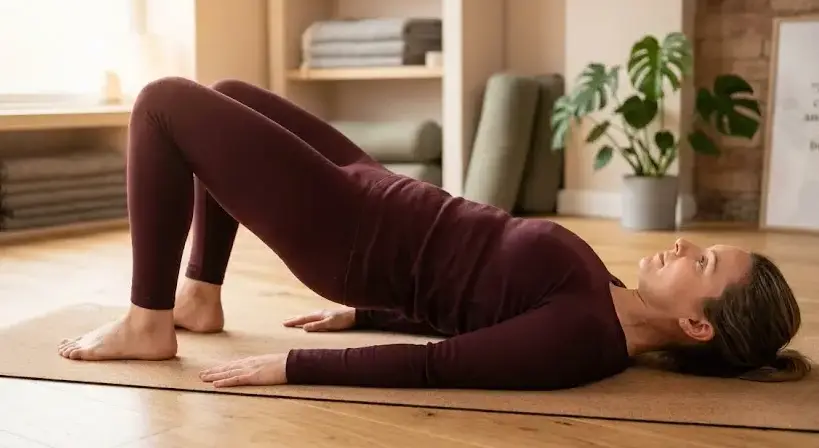
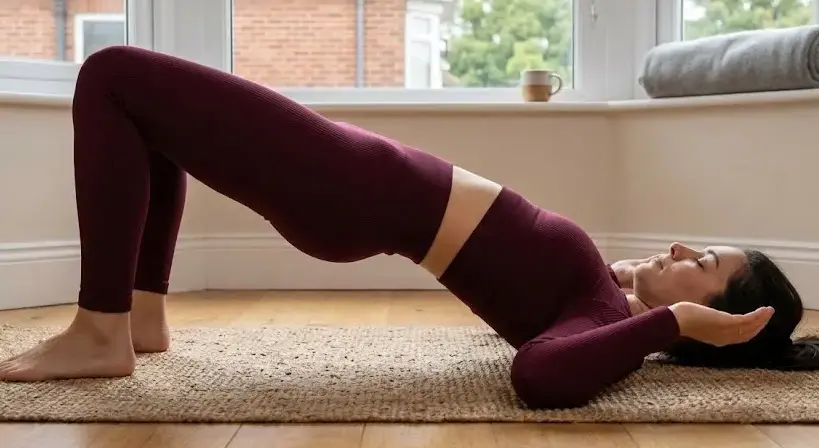
- Bridge Pose (core and glute strength)
Example structure:
| Pose | Benefit | Duration |
| Cat-Cow | Improves spinal mobility | 1–2 min |
| Child’s Pose | Relieves tension | 2 min |
| Bridge Pose | Strengthens lower back | 1 min |
These are often adapted based on individual clinical assessment.
How do breathing techniques support lower back pain recovery?
Yoga therapy for lower back pain relief UK integrates breathing techniques to enhance pain management and muscular relaxation.
Key techniques:
- Diaphragmatic breathing: reduces muscle tension
- 4-6 breathing pattern: improves oxygenation and relaxation
- Nasal breathing: stabilises core engagement
Benefits:
- Lowers stress-related pain amplification
- Supports proper posture during movement
- Enhances circulation to spinal tissues
Who can benefit from yoga therapy for lower back pain relief UK?
Yoga therapy for lower back pain relief UK is suitable for a wide range of individuals with musculoskeletal conditions.
Applicable groups:
- Office workers with sedentary lifestyles
- Individuals with chronic lower back pain
- Post-injury rehabilitation patients
- Older adults with reduced mobility
Contraindications:
- Severe spinal injuries without medical clearance
- Acute disc prolapse cases
How is yoga therapy regulated or guided in the UK?
Yoga therapy for lower back pain relief UK is guided by professional standards and clinical best practices.
Key frameworks:
- Complementary therapy guidelines
- Physiotherapy integration protocols
- Practitioner certifications from recognised yoga therapy institutes
Industry practice:
- Personalised assessment before programme design
- Progressive intensity levels
- Monitoring of pain thresholds
What is a typical yoga therapy routine for lower back pain?
Yoga therapy for lower back pain relief UK follows a structured session format.
Example routine:
- Warm-up (5 minutes): gentle stretches
- Core poses (10–15 minutes): targeted postures
- Breathing exercises (5 minutes)
- Relaxation phase (5 minutes)
For context, many people also explore short formats such as 5-minute routines, beginner yoga sessions, or hip-focused mobility exercises when starting.
Conclusion
Yoga therapy for lower back pain relief UK provides a structured, evidence-based framework combining movement, breathing, and clinical adaptation. Its effectiveness lies in consistent application and individualised progression. For sustained results, integrating practices like daily yoga for back pain relief supports long-term spinal health and functional recovery.
FAQ
Is yoga therapy effective for chronic lower back pain?
Yes, clinical studies show it can significantly reduce pain and improve function when practiced consistently.
How often should yoga therapy be practiced?
Most programmes recommend 3–5 sessions per week for measurable improvement.
Can beginners try yoga for lower back pain?
Yes, beginner-specific routines are widely used with modified poses for safety.
Are breathing techniques necessary in yoga therapy?
Yes, they are essential for reducing tension and improving therapeutic outcomes.
Is yoga therapy safe without supervision?
Mild routines may be safe, but professional guidance is recommended for chronic or severe conditions.
Sources
https://www.voltarol.co.uk/health-wellness-pain/exercise-diet/yoga-poses-for-backache/
https://beneyoga.co.uk/lower-back-tightness/
https://pmc.ncbi.nlm.nih.gov/articles/PMC4878447/
https://www.wimbornewellnesscentre.co.uk/clinic/our-blog/the-benefits-of-yoga-for-lower-back-pain
https://www.bmj.com/content/357/bmj.j2964
https://www.yogaforbacks.co.uk/
https://www.nurofen.co.uk/pain-advice/adult/yoga-exercises-back-shoulder-neck/
https://spinehealth.org/article/yoga-poses-for-lower-back-pain/
https://theyogatherapyinstitute.org/products/yoga-therapy-for-musculoskeletal-issues-lower-back-pain-clinic?srsltid=AfmBOopInfjzx2nSdAmqf63KedDYXcX_EmaK0bHzGiMOHgpSkvR37E4S